 SalamatYar
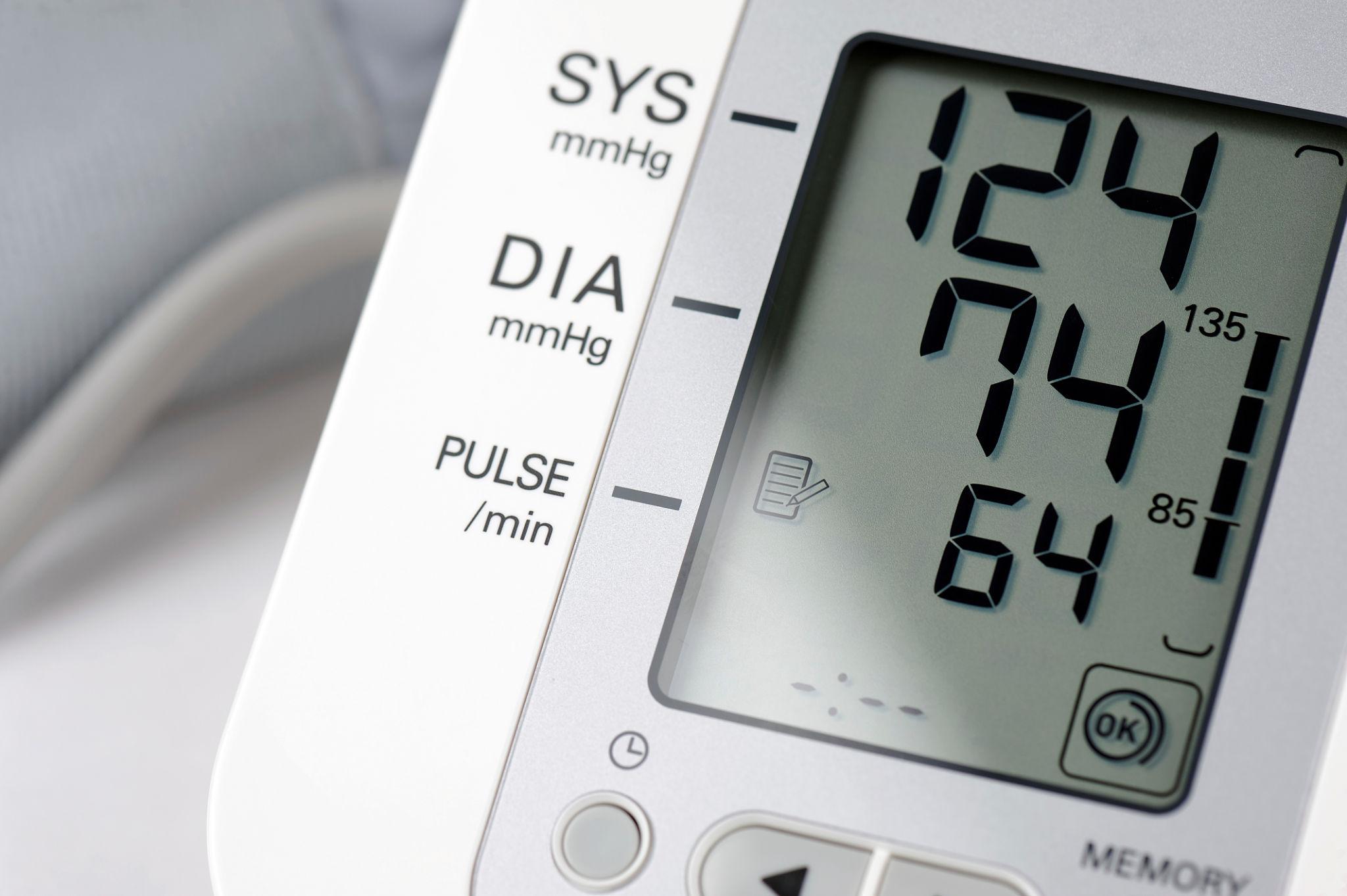
High blood pressure is often symptomless, but over the long term it damages the heart, kidneys and blood vessels.
Unit: millimeters of mercury (mmHg) — based on the American Heart Association (AHA/ACC) classification
Seven effective habits
- Cut salt: Limit daily salt intake to less than 5 grams (about one teaspoon).
- Walk regularly: At least 150 minutes of moderate aerobic activity per week (for example 30 minutes, 5 days a week).
- Lose weight: Even a 5 percent reduction in body weight can lower blood pressure by several points.
- Cut alcohol and quit smoking: Both directly harm blood pressure and vascular health.
- Manage stress: Deep breathing, meditation or even a few minutes of daily relaxation helps.
- Get enough sleep: Chronic sleep deprivation is linked to higher blood pressure; 7 to 8 hours of sleep a night is a good target.
- Log your blood pressure regularly: Measuring weekly (or more often if your doctor advises) helps you see the trend sooner.
Causes and risk factors
In most cases (about 90 to 95 percent of adults with the condition), high blood pressure is the "primary" type — meaning it has no single, specific cause, and a combination of age, genetics and lifestyle plays a role. The main risk factors are:
- Family history of high blood pressure
- Increasing age
- Overweight and obesity
- A high-salt diet and physical inactivity
- Heavy alcohol use and smoking
- Chronic stress and poor sleep
- Underlying conditions such as diabetes, kidney disease or sleep apnea (which can cause "secondary" high blood pressure)
Frequently asked questions
What is a normal blood pressure?
Normal blood pressure is below 120 over 80 mmHg. A reading of 120 to 129 over below 80 is "elevated", 130 to 139 or 80 to 89 is stage 1, and 140 or 90 and above is stage 2 high blood pressure.
Does high blood pressure always have symptoms?
Usually not. High blood pressure often has no symptoms, which is why it is called the "silent killer". The only way to be sure is regular measurement.
How often should I check my blood pressure?
Healthy adults usually every one to two years. If your blood pressure has been elevated or high, or you have risk factors, your doctor may recommend weekly or even daily monitoring at home.
Is cutting salt alone enough to control blood pressure?
Usually not on its own; cutting salt has a noticeable effect, but combining it with physical activity, weight loss, enough sleep, stress management and less alcohol and smoking creates a much stronger cumulative effect.