 SalamatYar
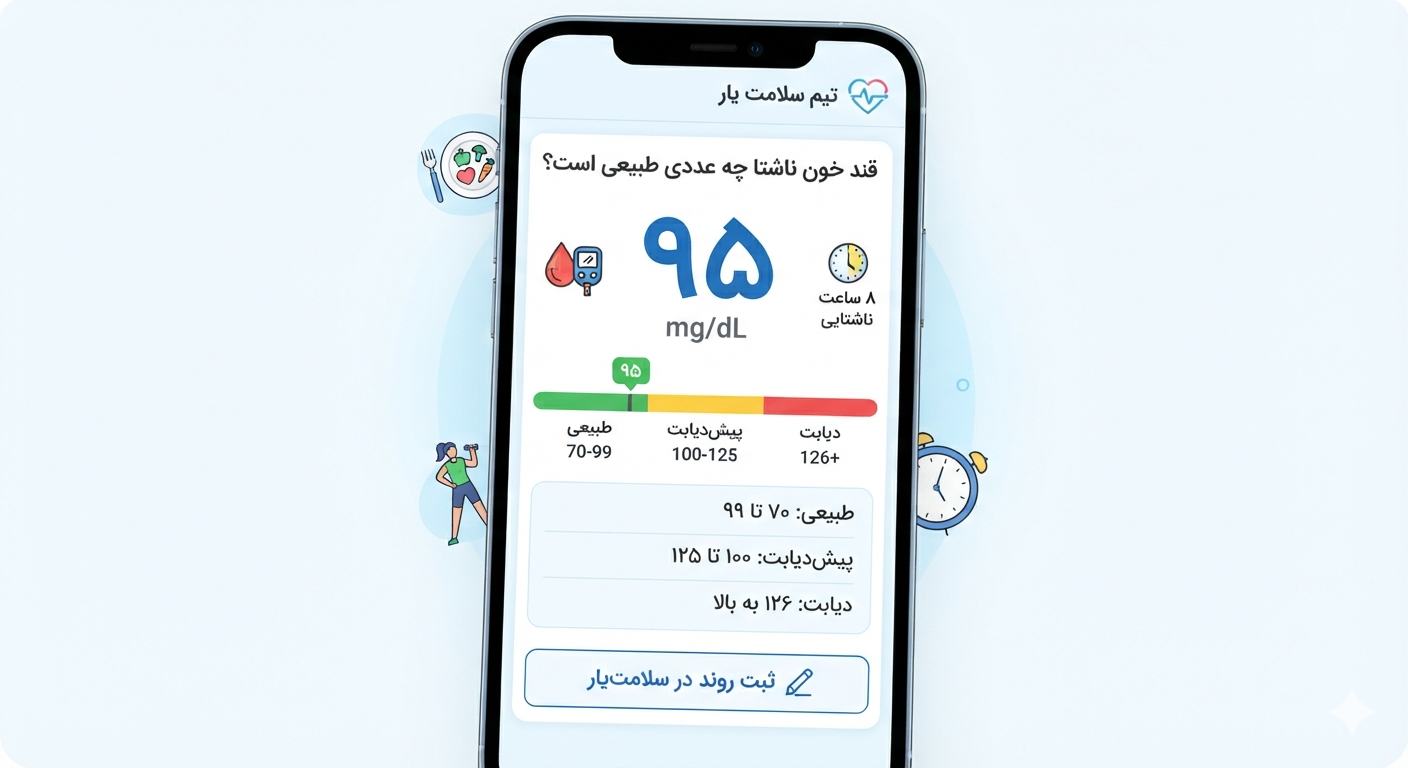
Fasting blood sugar (FBS) is one of the simplest and most widely used screening tests for diabetes. It is usually done after at least 8 hours without food (typically in the morning, before breakfast).
What is the normal range?
Unit: milligrams per deciliter (mg/dL) — based on American Diabetes Association (ADA) criteria
For most adults, a fasting blood sugar between 70 and 99 mg/dL is considered normal. A value between 100 and 125 indicates "prediabetes", and a value of 126 or higher (on two separate tests) usually means diabetes.
Note: fasting glucose only reflects the moment of measurement, while the HbA1c test reflects the average of the past three months; doctors often consider both for a more accurate diagnosis.
Why does fasting blood sugar rise?
Many factors affect this number:
- A diet high in sugar and carbohydrates
- Physical inactivity
- Overweight
- Stress
- Poor sleep
- Family history of diabetes
Sometimes an acute illness or certain medications (such as corticosteroids) can also raise the number temporarily.
What should I do if my number is slightly high?
A number slightly above the range does not by itself mean diabetes, but ignoring it is not wise either. Cutting back on simple sugars and sweet drinks, increasing physical activity (for example 30 minutes of walking daily) and losing weight, even a small amount, usually have a positive effect. Logging your values regularly in SalamatYar helps you see the trend over time.
Frequently asked questions
What is the difference between fasting glucose and HbA1c?
Fasting glucose only reflects the moment of measurement, while HbA1c shows the average blood sugar over the past three months. Doctors often review both together for a more accurate diagnosis.
Is it a problem to drink water before a fasting glucose test?
No, plain water causes no problem and is even recommended. What you should avoid is food, tea, coffee and juice.
If my fasting glucose was high once, does that mean I have diabetes?
Not necessarily. Diabetes is usually diagnosed from two separate tests with a result of 126 or higher, not from a single measurement. Still, discuss any high number with your doctor.
When should I see a doctor about my fasting glucose?
If your number is repeatedly 100 or higher, you have a family history of diabetes, or you experience symptoms such as intense thirst, frequent urination or unusual fatigue, be sure to consult a doctor.