 SalamatYar
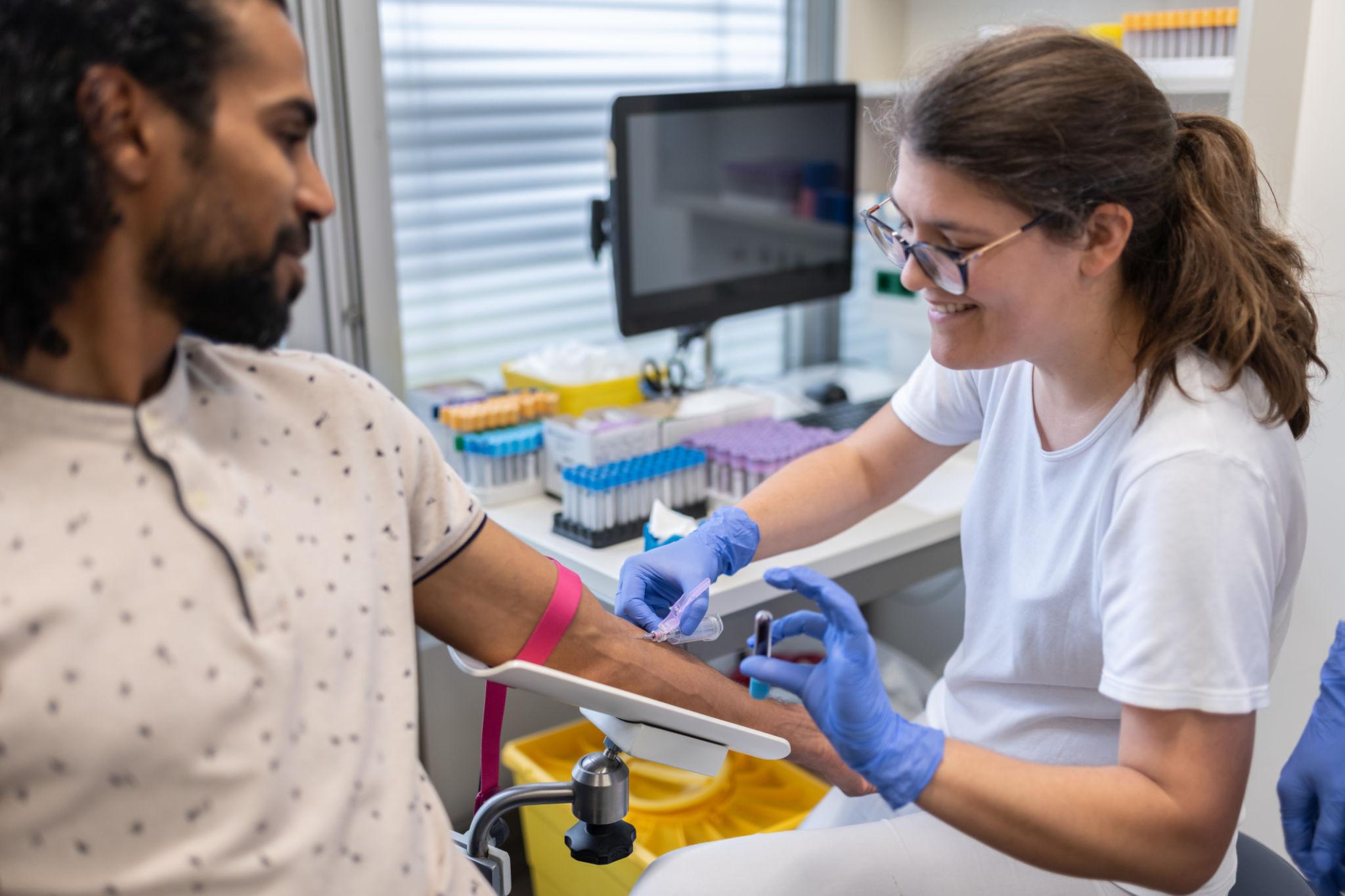
An accurate blood test result depends on your being properly prepared before the sample is taken. Following a few simple tips can prevent an unnecessary repeat test.
What does fasting mean?
For tests such as fasting blood sugar and blood lipids (cholesterol and triglycerides), 8 to 12 hours of fasting is usually required — meaning only plain water is allowed, not tea, coffee, juice or chewing gum. Drinking water not only does not break the fast, it is also recommended, because dehydration makes drawing blood from a vein harder.
Which tests require fasting?
Contrary to popular belief, most blood tests do not require fasting. The list below is a general guide; always follow the exact instructions on your lab form or from your doctor:
| Usually require fasting | Usually do not require fasting |
|---|---|
| Fasting blood sugar and glucose tolerance test (OGTT) | Hemoglobin A1c (average blood sugar over 2–3 months) |
| Full lipid profile / triglycerides | Complete blood count (CBC) |
| Fasting insulin | Thyroid tests (TSH, T3, T4) |
| Some metabolic panels (because of the glucose component) | Liver and kidney function, vitamin D, CRP |
Note: some newer international guidelines accept non-fasting lipid tests for initial screening, but when the goal is an accurate triglyceride measurement, many doctors and labs still prefer fasting.
What should you tell the lab?
- Any medication you take (even supplements and vitamins).
- If you are pregnant or think you might be.
- If you have recently been ill or have had severe stress or insomnia (this can temporarily change some values).
- The exact time of your last meal and drink, even if you are not sure the fast was long enough.
Practical tips for test day
- Drink enough water (dehydration makes sample collection harder).
- Avoid heavy exercise for 24 hours beforehand.
- If possible, go early in the morning so the fast is not too long; for tests such as testosterone and cortisol, morning is also the best time for sampling.
Frequently asked questions
Does drinking water break the fast?
No. Plain water is allowed during fasting and is even recommended, because dehydration makes drawing blood from a vein more difficult. Tea, coffee, juice and chewing gum are not allowed.
Should I stop my daily medications before the test?
No, do not stop your medication without consulting your doctor. Some medications must be taken with food; in those cases, coordinate with your doctor or the lab before fasting.
What if I forgot to fast?
Tell the lab honestly. For tests where fasting is essential (such as fasting glucose or triglycerides), you usually need to reschedule for another day so the result is reliable.
What is the best time of day for a blood test?
Early in the morning, both to shorten the fasting period and for tests such as testosterone and cortisol, whose levels fluctuate during the day.