 SalamatYar
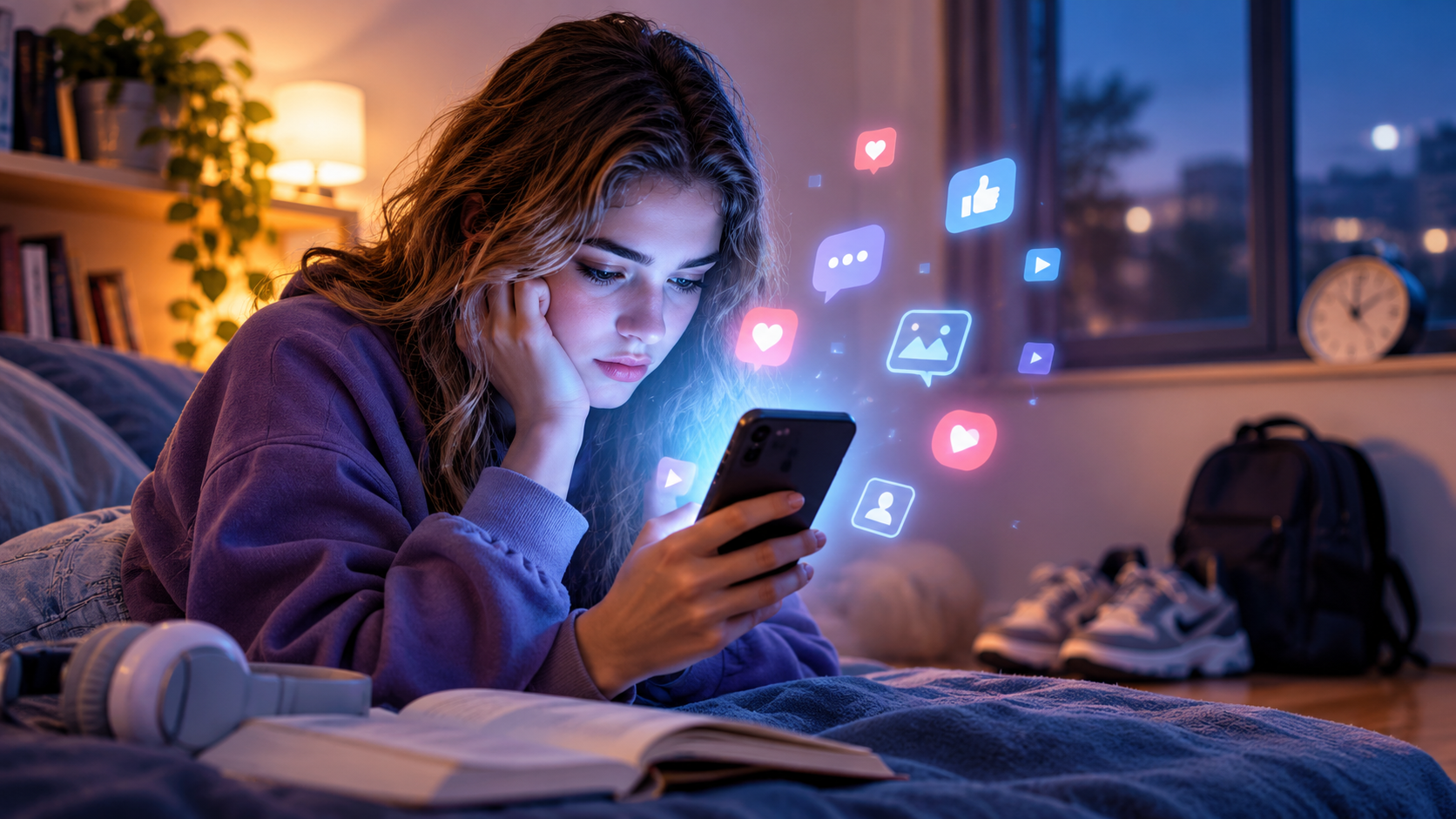
Smartphones and social media are a normal part of life for teens and young adults: they help with school, friendships and entertainment. The problem starts when the phone begins to replace sleep, movement, meals with family and real-life connection. The good news is that a few simple changes can bring use back under control without cutting yourself off from the digital world.
Why does this matter?
According to a WHO Regional Office for Europe report (the HBSC study of about 280,000 adolescents aged 11, 13 and 15 in 44 countries and regions), the share of adolescents showing signs of problematic social media use rose from 7% in 2018 to 11% in 2022, with 13% of girls and 9% of boys affected. "Problematic use" means difficulty controlling use and experiencing negative consequences in daily life. These figures come from Europe, Central Asia and Canada, but the pattern will feel familiar to families everywhere.
Warning signs
- Cannot cut down screen time despite repeated attempts.
- Becomes restless, irritable or anxious without the phone.
- Goes to bed late or sleeps too little because of the phone, and feels tired and sleepy during the day.
- Concentration or grades have dropped, and sports, reading or earlier hobbies have been given up.
- Less face-to-face time with family and friends.
- Hides or lies about how long they use the phone.
- Mood changes: sadness, strong sensitivity to likes and comments, or constant comparison with others.
How does phone overuse affect body and mind?
- Sleep: Screen use late in the evening keeps the mind alert, and screen light can interfere with melatonin, the sleep hormone. The quality and regularity of sleep matter as much as its length.
- Eyes: Long periods of staring reduce blinking and can cause dryness, burning and eye strain.
- Neck, shoulders and back: Bending over a phone for long periods is linked to neck and shoulder pain.
- Activity and weight: Long sitting time displaces physical activity and is linked to a higher risk of overweight.
- Focus and learning: Notifications and constant app switching break concentration, and using media while studying reduces learning.
- Mental health: Comparing yourself with seemingly perfect lives, fear of missing out (FOMO) and cyberbullying can worsen anxiety and low mood. On the other hand, staying in touch with friends and learning online can be genuinely helpful.
The goal is not to remove the phone; it is to protect sleep, movement and real-world connection. For children and teens aged 5 to 18, the American Academy of Pediatrics (AAP) does not set one fixed screen-time limit. Instead it recommends a family media use plan: one hour of daily physical activity, enough sleep (8 to 12 hours depending on age), no devices in the bedroom, and screens off at least one hour before bedtime.
Practical tips for teens and young adults
- Charge your phone outside the bedroom at night and use an alarm clock for waking up.
- Turn off non-essential notifications and use "Do Not Disturb" while studying and sleeping.
- Check your phone's screen time report and set limits for the apps you use most.
- Follow the 20-20-20 rule: every 20 minutes, look at something about 6 meters (20 feet) away for 20 seconds.
- Unfollow or mute accounts that make you feel worse, anxious or constantly compared.
- Make meals and study sessions phone-free.
- Have a ready alternative for the moments you want "just one look": a short walk, a glass of water, a voice call with a friend or a few stretches.
- Get at least one hour of physical activity every day.
Tips for parents
- Write a family media plan together and revisit it from time to time; the rules should apply to everyone, parents included.
- Lead by example: keep phones away from the dinner table and the bedside.
- Talk about what your child sees and feels online instead of blaming them.
- Turn off autoplay and notifications, which are designed to keep users engaged longer.
- Decide when to start social media based on your child's readiness and each platform's minimum age.
- For children under 2, screens are not recommended apart from video calls with family. WHO advises no more than one hour a day for ages 2 to 4, and less is better.
When should you see a doctor or specialist?
- Long-lasting insomnia or short sleep, or severe daytime sleepiness
- A sharp drop in school or work performance, isolation, or withdrawal from family and friends
- Intense anger or anxiety when phone use is limited
- Sadness or hopelessness lasting several weeks
- Cyberbullying, threats or online blackmail
- Any thoughts of self-harm: call your local emergency number or crisis line right away and tell someone you trust. In Iran, call 115 or the social emergency line 123.
How does Salamat-Yar help?
- Ask the health chatbot educational questions about sleep, focus and healthy habits
- Book an online doctor visit for sleep problems, anxiety or poor concentration
- Record and follow health information in your own and your family's health record
Frequently asked questions
Is "phone addiction" an official medical diagnosis?
Gaming disorder is listed in the WHO's ICD-11, but there is no separate official diagnosis for excessive smartphone or social media use. Even so, if use feels out of control and harms sleep, school or relationships, it should be taken seriously and assessed.
How many hours a day is "allowed"?
There is no magic number for every age. For ages 5 to 18, what matters more than the total time is that sleep, physical activity, schoolwork and in-person relationships do not suffer. The type of content and the time of day also matter.
Do blue-light filters or night mode fix sleep problems?
Not on their own. Stimulating content and staying awake also disrupt sleep. The most effective step is to switch screens off at least an hour before bed and keep the phone away from the bed.
My child gets angry when I take the phone away. What should I do?
Introduce limits gradually and by agreement, explain the reason calmly and offer appealing alternatives. If reactions are very intense or persistent, talk to a doctor or psychologist.