 SalamatYar
← Back to magazineLifestyle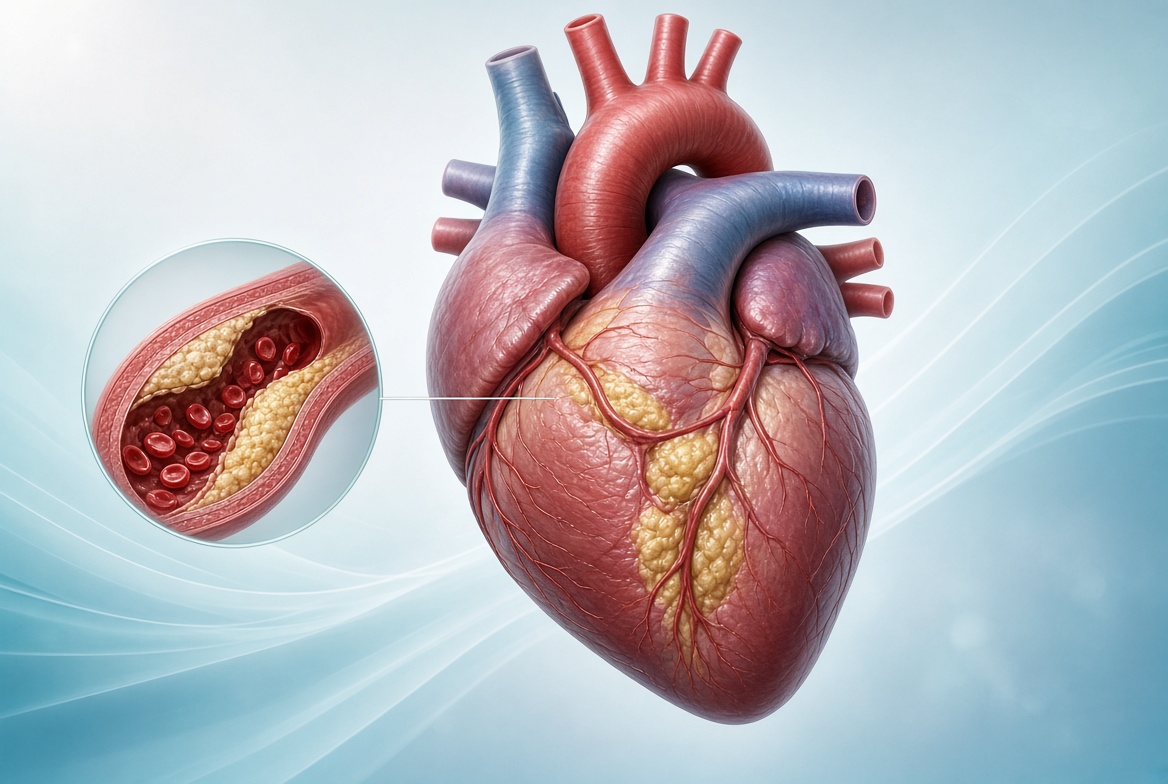
High LDL (Bad) Cholesterol: Hidden Symptoms, Real Causes and Natural and Medical Ways to Lower It
High LDL (Bad) Cholesterol: Hidden Symptoms, Real Causes and Natural and Medical Ways to Lower It
تیم علمی سلامت یار · Reviewed by: تیم علمی سلامت یار · 0 min read
High LDL (Bad) Cholesterol: Hidden Symptoms, Real Causes and Natural and Medical Ways to Lower It
LDL (bad) cholesterol
Builds up in the artery walls and forms plaque
HDL (good) cholesterol
Collects and clears excess cholesterol
The silent killer of the arteries — often with no symptoms until a heart attack or stroke
Bad cholesterol (LDL) is one of the most important risk factors for cardiovascular disease. Unlike many diseases, high LDL usually causes no obvious symptoms, and many people remain unaware of it until they suffer a heart attack or stroke.
Vital note:
A high LDL level gradually narrows and stiffens the arteries. The sooner it is controlled, the lower the risk of permanent damage. If you have not had a lipid test for a while, now is the time.
The main difference between bad and good cholesterol
| Feature | LDL (bad) cholesterol | HDL (good) cholesterol |
|---|---|---|
| Role in the body | Builds up in artery walls and forms plaque | Collects excess cholesterol and carries it to the liver |
| Effect on the heart | Increases the risk of heart attack and stroke | Reduces the risk of cardiovascular disease |
| Ideal level | Below 100 mg/dL | Above 40 (men) and 50 (women) |
Normal LDL cholesterol levels
Below 100
Optimal
100–129
Near optimal
130–159
Borderline high
160–189
High
190+
Very high
For high-risk people (diabetes, history of stroke, high blood pressure), the goal is usually below 70 .
Symptoms of high bad cholesterol
In most cases there are no symptoms. That is why it is called the "silent killer".
- Xanthelasma (yellow deposits on the eyelids)
- Tendon xanthomas (fatty lumps on tendons)
- Corneal arcus (a white ring around the cornea in younger people)
Real symptoms usually appear once the vessels have narrowed: chest pain, shortness of breath or signs of stroke.
Causes of high LDL cholesterol
- A diet full of saturated and trans fats
- Physical inactivity and overweight
- Genetics (familial hypercholesterolemia)
- Age and menopause
- Diabetes, hypothyroidism, kidney and liver diseases
- Certain medications
How do we lower bad cholesterol?
1. Lifestyle changes (the first and most important step)
- Reduce saturated and trans fats and replace them with olive oil, avocado and nuts
- Increase soluble fiber (oats, beans, apples, chia seeds)
- Eat fatty fish or take omega-3 supplements
- At least 150 minutes of aerobic exercise per week
- Lose weight (even 5–10 percent is effective)
- Quit smoking and limit alcohol
2. Medication
- Statins (atorvastatin, rosuvastatin, etc.)
- Ezetimibe
- PCSK9 inhibitors (for resistant or genetic cases)
The decision to start medication is based on a 10-year cardiovascular risk assessment and your doctor's opinion.
When should we have a cholesterol test?
- Adults over 20: every 4 to 6 years (if normal)
- High-risk people: annually or as your doctor advises
- Children with a strong family history: from age 9–11
Smart test interpretation in SalamatYar:
If you have your lipid test result, you can upload it in the SalamatYar Documents section. The system intelligently interprets the result in light of the other information in your health record (age, underlying conditions, blood pressure, etc.) and provides simple, practical explanations.
If you have your lipid test result, you can upload it in the SalamatYar Documents section. The system intelligently interprets the result in light of the other information in your health record (age, underlying conditions, blood pressure, etc.) and provides simple, practical explanations.
Frequently asked questions
What is the main difference between LDL and HDL cholesterol?
LDL deposits cholesterol in the artery walls and raises stroke risk. HDL collects excess cholesterol and carries it to the liver to be eliminated.
LDL deposits cholesterol in the artery walls and raises stroke risk. HDL collects excess cholesterol and carries it to the liver to be eliminated.
Does high cholesterol always have symptoms?
No. In most cases it has no symptoms at all and is only revealed by a blood test.
No. In most cases it has no symptoms at all and is only revealed by a blood test.
Can diet and exercise lower cholesterol?
Yes. In many people, lifestyle changes alone or together with medication are enough. Even a 5 to 10 percent weight loss can lower LDL significantly.
Yes. In many people, lifestyle changes alone or together with medication are enough. Even a 5 to 10 percent weight loss can lower LDL significantly.
When should medication be started?
If lifestyle changes do not reach the target or your cardiovascular risk is high, your doctor will usually prescribe a statin or other drugs.
If lifestyle changes do not reach the target or your cardiovascular risk is high, your doctor will usually prescribe a statin or other drugs.
Reliable scientific sources
This content is educational and does not replace medical advice. Be sure to consult a doctor to interpret your test results and receive appropriate treatment.