 SalamatYar
Iron Deficiency and Iron-Deficiency Anemia: Hidden Symptoms, Real Causes and Natural and Medical Ways to Replenish Iron
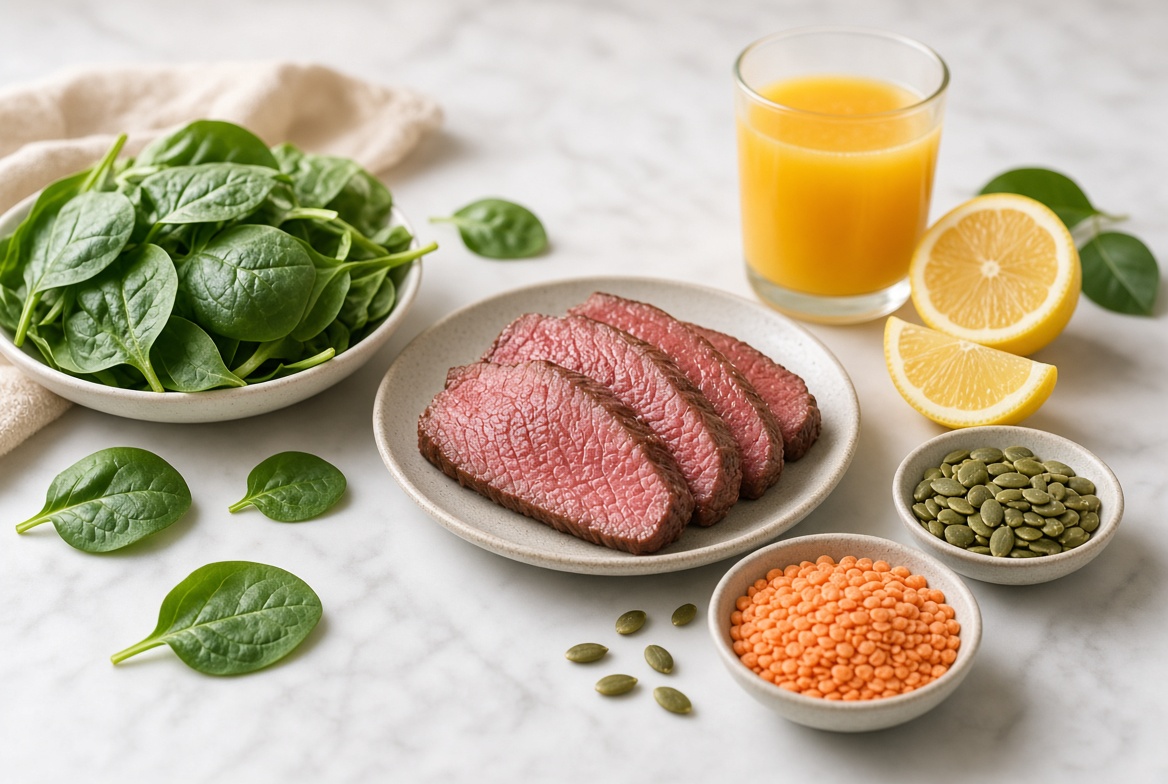
Iron deficiency is the most common nutritional deficiency in the world, and millions of people — especially women of childbearing age, teenagers, vegetarians and people with digestive problems — live with it without knowing. Contrary to popular belief, it is not just "pallor" or "severe fatigue" that signal it; many symptoms are hidden and non-specific and are often blamed on stress, poor sleep or aging.
Hidden symptoms of iron deficiency
- Persistent fatigue and low energy even with enough sleep
- Hair loss, brittle nails or white lines on the nails
- Difficulty concentrating, reduced short-term memory and a "brain fog" feeling
- Mild shortness of breath during ordinary activities, palpitations or feeling cold in the hands and feet
- Restless legs syndrome and cravings for ice or non-food substances (pica)
- Pallor of the lips, the inside of the eyelids or the nail beds
These symptoms appear when the body's iron stores (ferritin) are low, even if hemoglobin is still in the "normal" range.
Important lab numbers (ferritin)
In the presence of inflammation or chronic disease, ferritin may be falsely elevated. In these cases, transferrin saturation (below 20%) is a more important measure.
Real causes of iron deficiency
- Blood loss: Heavy menstruation, hidden gastrointestinal bleeding, frequent blood donation
- Inadequate absorption: Celiac disease, gastritis, long-term use of stomach acid-reducing drugs, stomach surgeries
- Increased need: Pregnancy, rapid growth in adolescence, heavy endurance exercise
- Diet: Lack of animal sources combined with high intake of tea, coffee or calcium alongside meals
How do we replenish iron?
1. Dietary changes (the first and most important step)
- Heme iron sources (excellent absorption): Red meat, liver, chicken, fish
- Non-heme sources: Legumes, lentils, spinach, pumpkin seeds, sesame, fortified cereals — always eat them with vitamin C
- Keep tea, coffee, dairy and calcium supplements at least 1–2 hours away from iron-rich meals
- Cooking in a cast-iron pan can slightly increase the iron content of food
2. Supplements and medication
- Oral iron supplement (sulfate, fumarate or bisglycinate) under a doctor's supervision
- Taking it every other day improves absorption and causes fewer digestive side effects
- Taking it with vitamin C increases absorption
- In cases of intolerance, poor absorption or urgent need: intravenous iron
- Treatment usually lasts 3–6 months so that both hemoglobin and ferritin stores are rebuilt
If you have your blood test results (CBC + ferritin), you can upload them in the SalamatYar Documents section. The system intelligently interprets the result according to your age, sex and other information in your record.
When should we see a doctor?
- You have the symptoms above, especially if you have heavy periods or a history of digestive disease
- Men and postmenopausal women with iron deficiency (investigating the source of bleeding is essential)
- Inadequate response to oral supplements after 4–6 weeks
Frequently asked questions
Does iron deficiency always cause anemia?
No. First the iron stores (ferritin) drop and symptoms begin. True anemia occurs when hemoglobin also falls.
When is the best time to take an iron supplement?
On an empty stomach or with vitamin C. Avoid taking it at the same time as tea, coffee, dairy and calcium.
Why does an iron supplement cause constipation?
Iron can slow bowel movement. Taking it every other day, increasing fiber and fluids and, if needed, gentler forms can help.
Are vegetarians more at risk of iron deficiency?
Yes, because non-heme iron is absorbed less. Regular intake of plant sources with vitamin C and, if needed, a supplement is essential.
Reliable scientific sources
This content is educational and does not replace medical advice. Be sure to consult a doctor to interpret your test results and receive appropriate treatment.